Breakcore
What is breakcore? Breakcore music, its artists and breakcore vs jungle
Shattered breakbeats at 200 BPM, from Berlin, Bristol and Winnipeg in the 1990s and 2000s to the anime-influenced revival of the 2020s.
Danceable noise.
Breakcore has always been easier to recognise than to define. In 2006 XLR8R opened its survey of the scene by saying that what defined breakcore was what didn't define it, and quoted Jace Clayton, DJ /rupture, describing his first encounter with it as "amazing danceable noise with some kinda reggae bass/base to it".
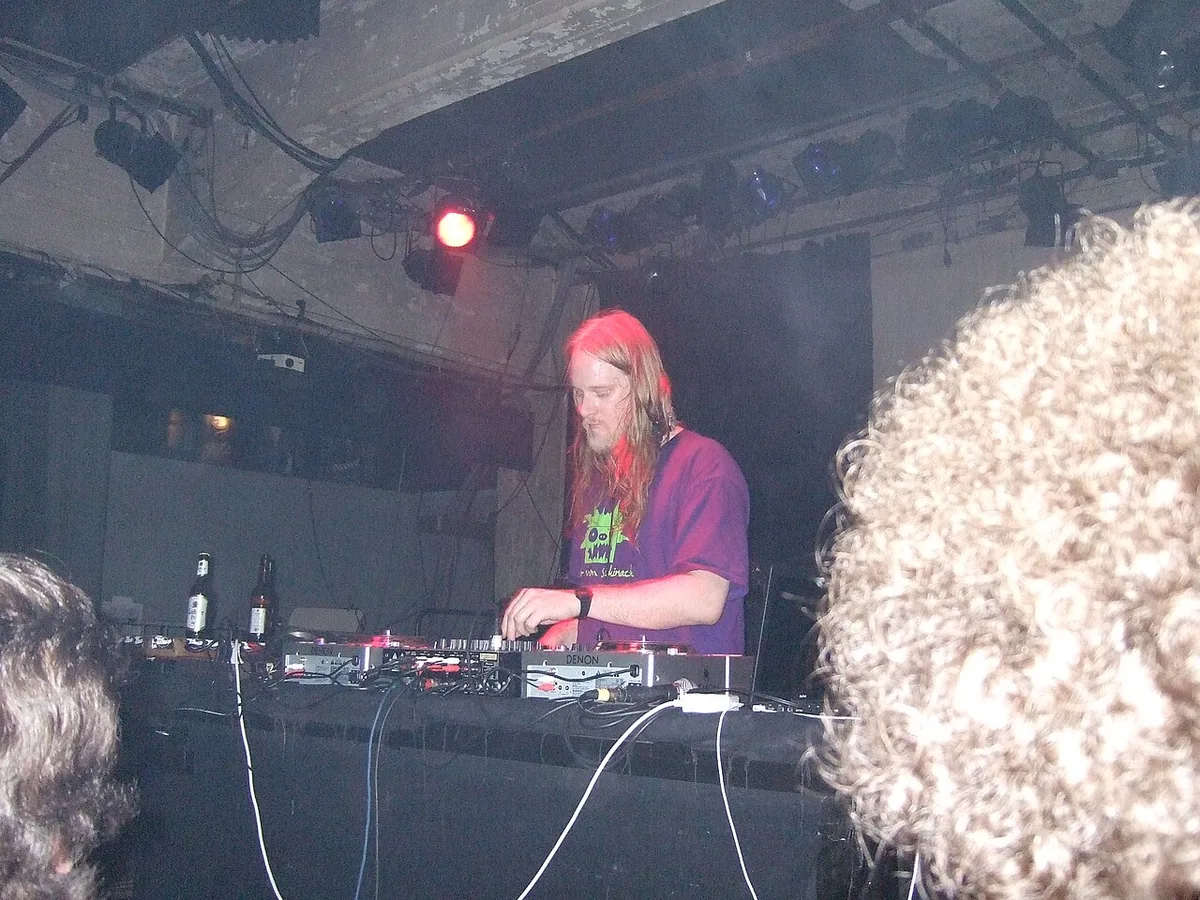
That was a scene of small labels, free parties and mail-order distributors, spread between Berlin, Belgium, London, the American Midwest and California. Twenty years later, to a lot of younger listeners breakcore music means something else: the atmospheric, anime-influenced tracks of Sewerslvt and goreshit, a sound that spread through TikTok and Instagram Reels. Both are breakcore, and they sound very different.
What breakcore music sounds like.
The drums come first. Breakcore takes the classic breaks of jungle and hip hop, the Amen break above all, and treats them as raw material rather than a groove. Orphiq's 2026 guide puts the defining quality as "edit density": how far below the bar the break is cut, and what happens to the pieces afterwards. RouteNote's guide hears drums that "appear to be constantly falling apart and rebuilding themselves".
The tempo is high, though not fixed. Micro Genre Music gives a range of 160 to 250 BPM or beyond, and notes that tempos can shift inside a single track. Above the drums, anything goes. There is no breakcore melody or bassline in the way there is a jungle bassline; the samples come from ragga and dancehall, rave records, metal, classical music, video games and pop, often in the same track.
Venetian Snares' "Hajnal", from the 2005 album Rossz Csillag Alatt Született, is the usual place to start. RouteNote lists it first among its essential tracks, for the contrast between orchestral material and drums that never settle.
Where breakcore came from.
Breakcore has no founding record, and the people who were there resist the question. Orphiq notes that Christoph Fringeli, who started the label Praxis in London in 1992, described breakcore as a hybrid strategy rather than a genre. Several scenes reached similar ideas at the same time, and the word spread through flyers, mailing lists and small festivals before any label used it as a category.
The labels are the clearest map. XLR8R named five as seminal in 2006: DJ Scud's Ambush, Christoph Fringeli's Praxis, Alec Empire's Digital Hardcore, Kurt Eckes' Drop Bass and Australia's Bloody Fist. Orphiq gives the dates. Alec Empire founded Digital Hardcore Recordings in Berlin in 1994. Mark Newlands of Nasenbluten set up Bloody Fist Records in Newcastle, New South Wales, in August 1994 and ran it until October 2004. DJ Scud and Aphasic started Ambush in London in 1997, and Rennes got Peace Off in 1999.
XLR8R credits Scud and Nomex tracks like "Total Destruction" with creating the blueprint for much of breakcore's sound: post-jungle breaks, feedback, noise and Jamaican elements, with a carefree attitude to sampling from hip hop, rock, industrial and pop.
What tied those scenes together was a reaction. As Orphiq puts it, jungle had hardened into drum and bass and hardcore into gabber, and producers coming from punk, metal and industrial music treated the rules of both as the problem. Vice, reviewing the 2006 documentary Notes on Breakcore, called it the "bastard hate child" of jungle, happy hardcore, techno, electronica, acid house, ragga, electro and dub.
The labels and the parties
Breakcore lived at parties as much as on records. XLR8R pointed readers to Breakcore Gives Me Wood in Ghent, Belgium, Jason Forrest's Wasted nights in Berlin and hundreds of smaller events, often outdoors and free. Most artists performed live, and the magazine described the stage antics in detail: screaming, moshing, telling jokes, costumes from thrift store bins and, almost always, funny hats.
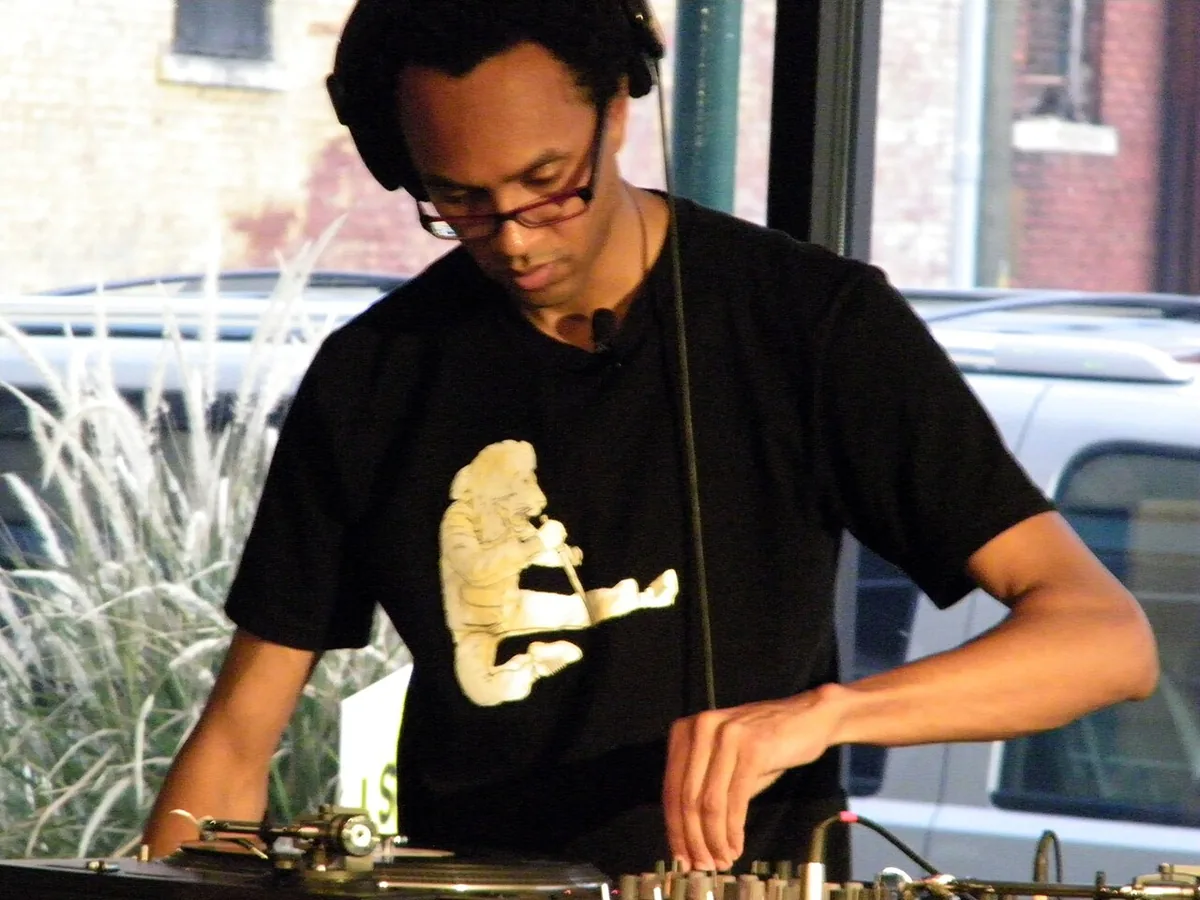
The same piece profiled the people running the scene's infrastructure. Rotator, Frank Tavakoli, ran Peace Off and the Anti-Cartel parties in Rennes, with releases from Enduser, Venetian Snares, Doormouse and Kid606. Parasite ran the Death$ucker label and the Toxic Dancehall parties in Bristol, which XLR8R says grew from 30 people in the basement of an Indian restaurant to crowds of more than a thousand at the Black Swan in three years. In Brooklyn, Criterion and Doily ran Broklyn Beats.
Hecate, Rachael Kozak, founded the Zhark label, and XLR8R called her the greatest single force of personality in the scene. MusicalHow dates Zhark to 1996.
Politics ran through much of it. Parasite told XLR8R that "breakcore, by its very nature, is political", pointing out that most breakcore tracks were "a copyright infringement [case] waiting to happen". WKNC's 2023 field guide describes the early music as a response to the rise of fascism, "both figurative and literal", in mainstream society.
Venetian Snares and the breakcore canon.
For many listeners, breakcore means Venetian Snares. Aaron Funk, from Winnipeg, released records at a pace Vice summed up in 2006 as "about five albums a year", and in the clip Vice reviewed he ends by saying that "everyone else in this documentary is a fucking twat".
Rossz Csillag Alatt Született (2005) is the album most guides single out. Micro Genre Music calls it one of the most critically acclaimed breakcore albums, for the way it puts classical music against extreme breakbeat edits. "Szamár Madár", from the same record, is the second track on RouteNote's list.
Micro Genre Music's list of essential albums gives a fair picture of the range around him:
- DJ /rupture, Gold Teeth Thief, a mix of breakcore, dancehall, jungle and noise
- Bogdan Raczynski, Samurai Math Beats
- Shitmat, Full English Breakfest, rave and ragga jungle played for laughs
- Drumcorps, Grist, Aaron Spectre's metal project
- Igorrr, Savage Sinusoid, with baroque music, opera and death metal
- Enduser, Run War
- Kid606, The Action Packed Mentalist Brings You the Fucking Jams
Raggacore, mashcore and the British scene
Breakcore also drew on older styles. Raggacore, a blend of ragga and dancehall vocals with jungle breaks, predates it, and Bong-Ra is one of its best-known names. Shitmat, an English producer, coined "mashcore", and "There's No Business Like Propa' Rungleclotted Mashup Bizznizz" is called the first true mashcore track.
Britain had its own run. Writing in The Quietus in 2021, Noel Gardner remembered breakcore in the early to mid-2000s feeling like it was everywhere, "thanks to nights like Bang Face in London and Toxic Dancehall in Bristol", and how sharply the bottom then dropped out of the scene. Vice told its readers in 2006 that Bang Face's monthly party in London was where things really kicked off.
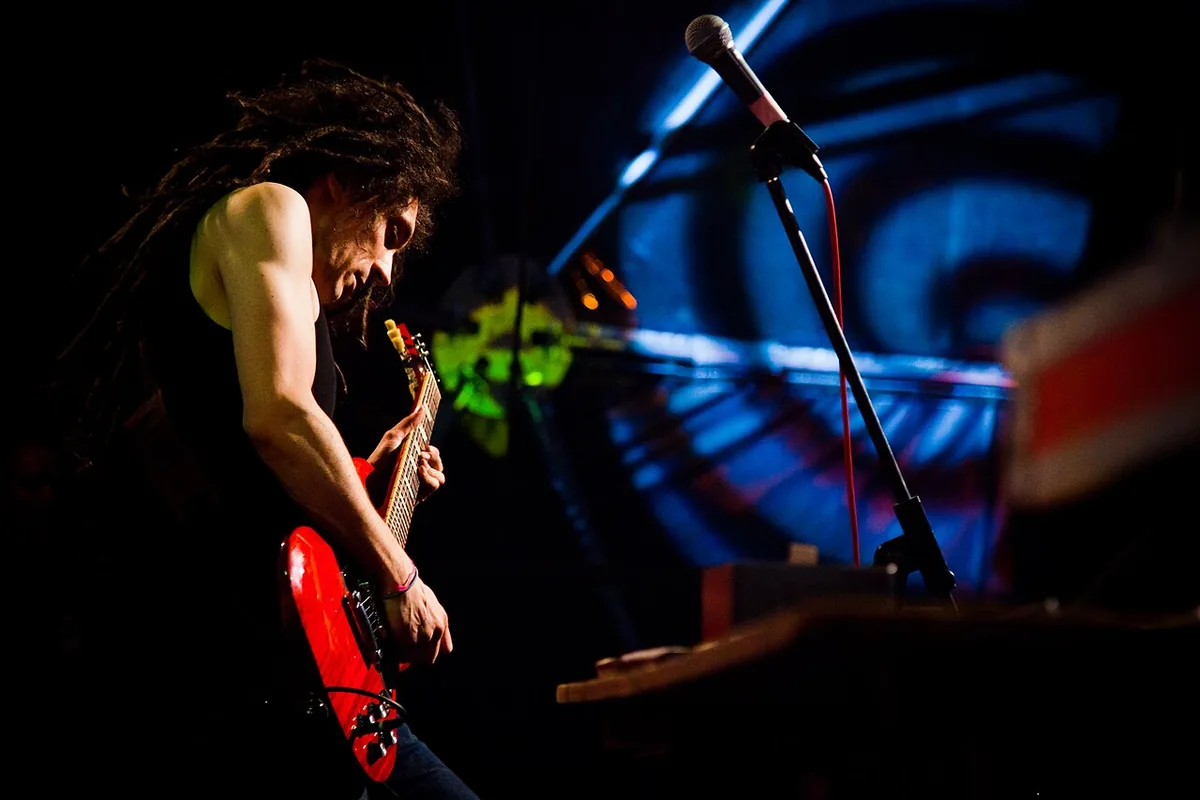
Aaron Spectre took the sound abroad. He told XLR8R about playing Beirut's first free open-air party, No Borders, to about 600 people, starting with breaks at 125 BPM and ending at 250, and watching the crowd dance all the way through.
The breakcore revival of the 2020s.
In the 2020s breakcore came back with a different sound. RouteNote describes the newer music as combining similar drum patterns with dreamy synthesizers, emotional melodies and anime-inspired visuals, and notes that "the music younger listeners call breakcore today doesn't always resemble the original genre".
WKNC traces the revival to the digital hardcore scene of the 2010s, and names Machine Girl and goreshit as artists who built a look as much as a sound. Its piece calls modern breakcore "internetcore", mingling with glitchcore and vaporwave. A friend of the writer described it as "electronic music for anime fans", which WKNC says is somewhat true of the contemporary scene and far removed from the original sound.
The newer tracks RouteNote recommends include Sewerslvt's "Mr. Kill Myself", goreshit's "Fine Night" and Femtanyl's "KATAMARI".
WKNC also records the criticism the revival attracted: that its viral spread on TikTok and Instagram Reels undercut a genre that started out anti-consumerist.
Breakcore vs jungle.
Breakcore and jungle share ancestors and source material, and often the same breaks, but they are made for different things.
Jungle rolls. A chopped break is rearranged and then repeated as a groove, with sub-bass weight and dub and ragga pressure underneath; Orphiq gives it a typical range of 160 to 175 BPM. Breakcore rewrites the pattern as it goes, and runs at no fixed tempo, commonly 200 BPM and above.
| Jungle | Breakcore | |
|---|---|---|
| Tempo | Typically 160 to 175 BPM | No fixed tempo, commonly 200 BPM and above |
| The break | Chopped, rearranged, then rolled as a groove | Rewritten as it goes, rarely settling into a loop |
| Structure | 16-bar and 32-bar phrasing, made to be mixed | Often ignores phrasing, much of it made for listening |
| Underneath | Sub-bass, dub and ragga | Anything: noise, metal, classical, pop, ragga |
| Came from | British dance culture, early 1990s | Jungle, hardcore, gabber and industrial, 1990s |
Tempo is the weakest test. Orphiq points out that a 170 BPM breakcore track and a 170 BPM jungle track run at the same speed and sound nothing alike. The better test is structure. Jungle and drum and bass respect 16-bar and 32-bar phrasing because DJs need to mix them. A lot of breakcore ignores that phrasing, which is why much of it is hard to mix and was made for listening rather than for a blend.
There is history between them too. Breakcore came partly out of ragga jungle, and raggacore kept that link alive. For where the breaks came from, see the jungle guide and the breakbeat guide; for what jungle turned into, the drum and bass guide.
Breakcore artists.
These are the names that come up again and again, from the 1990s labels to the 2020s revival.
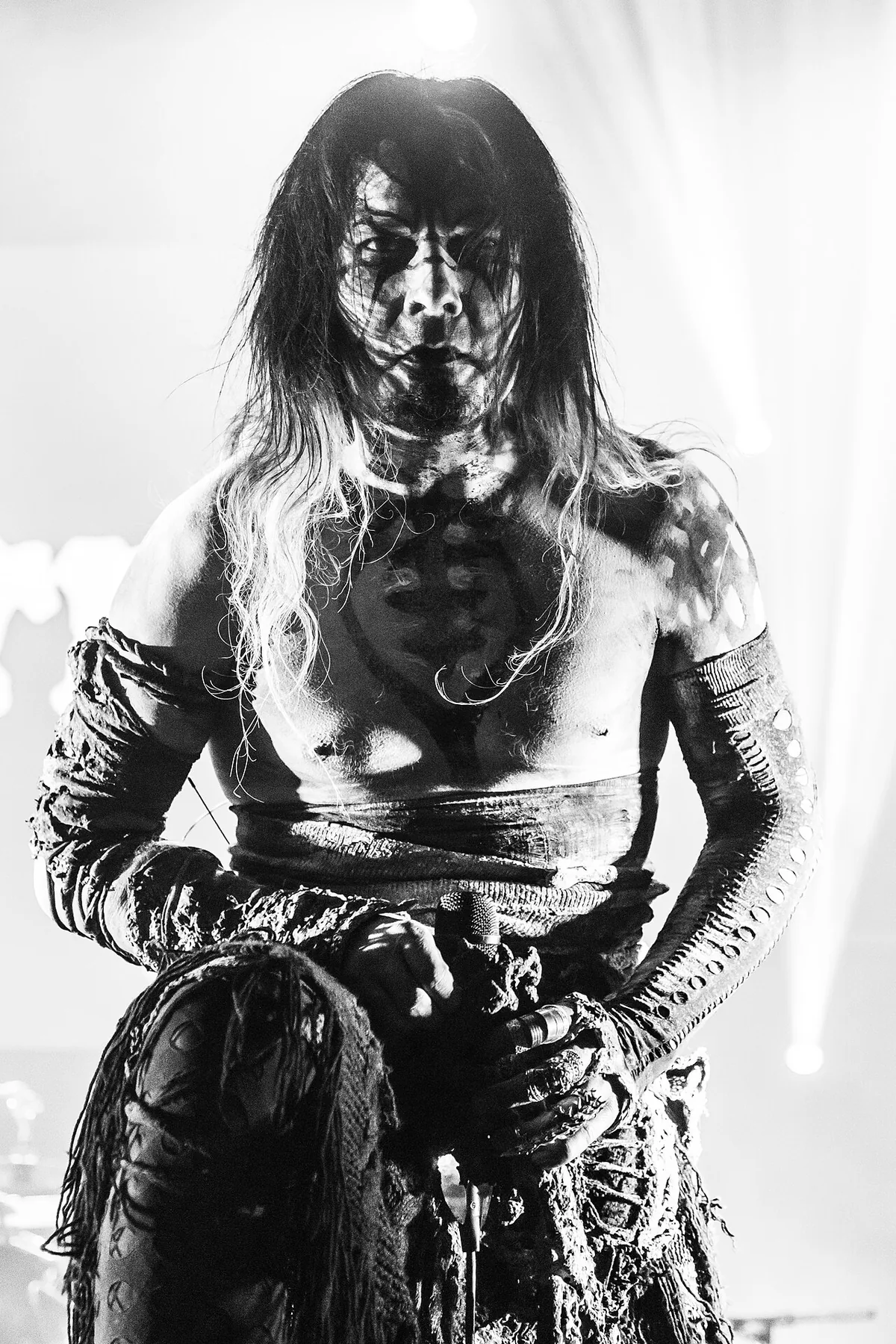
- Venetian Snares, Aaron Funk from Winnipeg, the name most tied to the genre since the mid-2000s.
- DJ Scud, co-founder of Ambush, the pioneer DJ /rupture heard at Soundlab in New York.
- Alec Empire, founder of Digital Hardcore Recordings in Berlin.
- Kid606, released on Peace Off; blends breakcore with glitch and IDM.
- Bong-Ra, who mixes jungle, metal and dub, and a raggacore name.
- Shitmat, the English producer who coined mashcore.
- DJ /rupture, Jace Clayton, whose Gold Teeth Thief mixed breakcore with dancehall and noise.
- Hecate, founder of Zhark.
- Doormouse, an early figure in the American Midwest, behind the Addict label.
- Enduser, who brought jungle and ragga rhythms into breakcore.
- Aaron Spectre and Drumcorps, his metal project.
- Igorrr, breakcore with baroque music and death metal.
- Machine Girl and goreshit, the two WKNC names as building a look as much as a sound.
- Sewerslvt and Femtanyl, from the internet era.
Where to start with breakcore.
For the classic sound, start with Venetian Snares' Rossz Csillag Alatt Született and the "Hajnal" track above, then Shitmat for the funny side and Drumcorps for the heavy one. For the revival, start with Machine Girl and goreshit, then Sewerslvt.
Breakcore FAQ.
What is breakcore?
Breakcore is electronic dance music that takes the breakbeats of jungle and hip hop and cuts them up so the drum pattern never settles. It started in the 1990s underground, and since about 2020 the name has also covered a softer, anime-influenced online sound.
What is breakcore music like?
Fast, broken and unpredictable. The drums change constantly and rarely settle into a loop, tempos commonly run between 160 and 250 BPM, and the samples come from anywhere. Revival breakcore of the 2020s adds dreamy synths and melancholy melodies.
Is breakcore the same as jungle?
No. Both are built on chopped breakbeats, but jungle repeats a rearranged break as a rolling groove and respects the phrasing DJs need to mix, while breakcore rewrites the pattern constantly, runs faster and often ignores phrasing altogether.
Who started breakcore?
No single person. Labels such as Praxis in London (1992), Digital Hardcore Recordings in Berlin and Bloody Fist in Newcastle, Australia (both 1994), and Ambush in London, started by DJ Scud and Aphasic in 1997, are named as seminal.
Who are the best breakcore artists?
Venetian Snares tops most lists, alongside Kid606, Igorrr, Shitmat, Machine Girl, DJ /rupture, Bong-Ra, Doormouse, Enduser and Hecate. Sewerslvt and goreshit lead the 2020s revival.
Why is breakcore popular again?
Since about 2020 a newer, atmospheric breakcore with anime and video game imagery has spread through TikTok, Instagram Reels and YouTube, with artists such as Machine Girl, goreshit and Sewerslvt.
Sources.
- XLR8R: Breakcore: Live Fast, Matt Earp, 2006
- Vice: Breakcore, 2006
- The Quietus: UK Breakcore, Noel Gardner, 2021
- WKNC 88.1 FM: What is Breakcore? A Genre Field Guide, 2023
- Micro Genre Music: What is Breakcore?, 2023
- Orphiq: What Is Breakcore?, 2026
- RouteNote Radar: What Is Breakcore Music? 15 Essential Songs and Artists, 2026
- MusicalHow: Top Breakcore Artists and Bands, 2026
- eMastered: What Is Breakcore Music?
Continue reading
Read next.
 Music history~10 min read
What Is Gabber? Gabber Music, Hardcore Techno and Happy Hardcore
Rotterdam Records, Thunderdome, the gabber look and hakken, happy hardcore and how gabber differs from hardstyle.
Read article → Music history~13 min read
What Is Grime Music? 140 BPM, History, Artists and Tracks
Cold 140 BPM instrumentals, pirate radio, crews and clashes from East London, and the arguments about who started it.
Read article → Rave spots~6 min read
Best Clubs in Bristol: Motion, Lakota and Thekla
Motion lost its lease in 2025 and moved, Lakota has run drum and bass since the 1990s, and a 1959 cargo ship still hosts club nights: the best clubs in Bristol.
Read article → Rave spots~11 min read
Best Electronic Music Clubs in London: History and Where to Go
The best electronic music clubs in London now, plus the rooms that shaped acid house, jungle, garage and dubstep.
Read article →Want something to play while you read? Let the Selector pick a DJ set.