Techno tracks
Best techno tracks: nine records that built the sound
Nine techno records grouped by scene, each with a player and the facts behind it, from Detroit in 1985 to 2021.
A list of records, not a history.
The records are grouped by scene, oldest first within each group. Listen below, then explore the techno music guide for their history or best techno mixes to hear DJs at work.
Nine different approaches to techno.
These records show how much variety fits inside techno. “Strings of Life” builds around keys and strings without a bassline; “Spastik” concentrates on drum-machine rhythms. “Energy Flash” takes a darker, heavier direction, while Basic Channel brings dub into the picture. Start with the sound that interests you, then follow the connections between the records.
| Track | Artist | Year | Label |
|---|---|---|---|
| No UFO's | Model 500 | 1985 | Metroplex |
| Strings of Life | Rhythim Is Rhythim | 1987 | Transmat |
| Energy Flash | Joey Beltram | 1990 | R&S Records |
| Spastik | Plastikman | 1993 | Plus 8 |
| The Bells | Jeff Mills | 1996 | Purpose Maker |
| Phylyps Trak | Basic Channel | 1993 | Basic Channel |
| Subzero | Ben Klock | 2009 | Ostgut Ton |
| Jaguar | The Aztec Mystic | 1999 | Underground Resistance |
| Doppler | Charlotte de Witte | 2021 | KNTXT |
Detroit and Chicago, 1985 to 1987.
No UFO's by Model 500 (1985)
Juan Atkins released No UFO's on his own Metroplex label in 1985, after his time in Cybotron. Attack Magazine says it helped push dance music on from electro and Italo disco into something starkly new. It got airplay in Detroit and took off in Chicago. Unlike later techno, it has a clear verse and chorus structure, which suits a record made for radio. The player is the vocal version.
Strings of Life by Rhythim Is Rhythim (1987)
Derrick May released Strings of Life on his Transmat label in 1987. Roland describes stabbing keys and space-age synth strings running for seven and a half minutes with no bassline at all. Frankie Knuckles suggested the name. May has said his first ambition was to get Ron Hardy and Knuckles to play his records in Chicago. In a Red Bull Music Academy interview he says the music sold mainly in Europe, and that this made him angry.
Rave pressure and acid minimalism, 1990 to 1996.
Energy Flash by Joey Beltram (1990)
Joey Beltram made Energy Flash in 1989, when he was 19, and R&S Records released it in 1990. Derrick May's Transmat licensed it in the United States. Attack Magazine describes it as dark, moody and heavy, a pushback against the feel-good melodies of Italo piano house and New York garage. The player below is R&S's own remaster.
Spastik by Plastikman (1993)
Richie Hawtin released Spastik as Plastikman on Plus 8 in 1993. Insomniac lists an 808, a 909, a 707 and a 303 on it, and quotes Hawtin calling the recording just him jamming. The track runs a taut eight minutes. It never had radio play, yet the producer Todd Osborn told Insomniac the record was everywhere. The player below is the version on the Recycled Plastik album, so it may differ from the original single.
The Bells by Jeff Mills (1996)
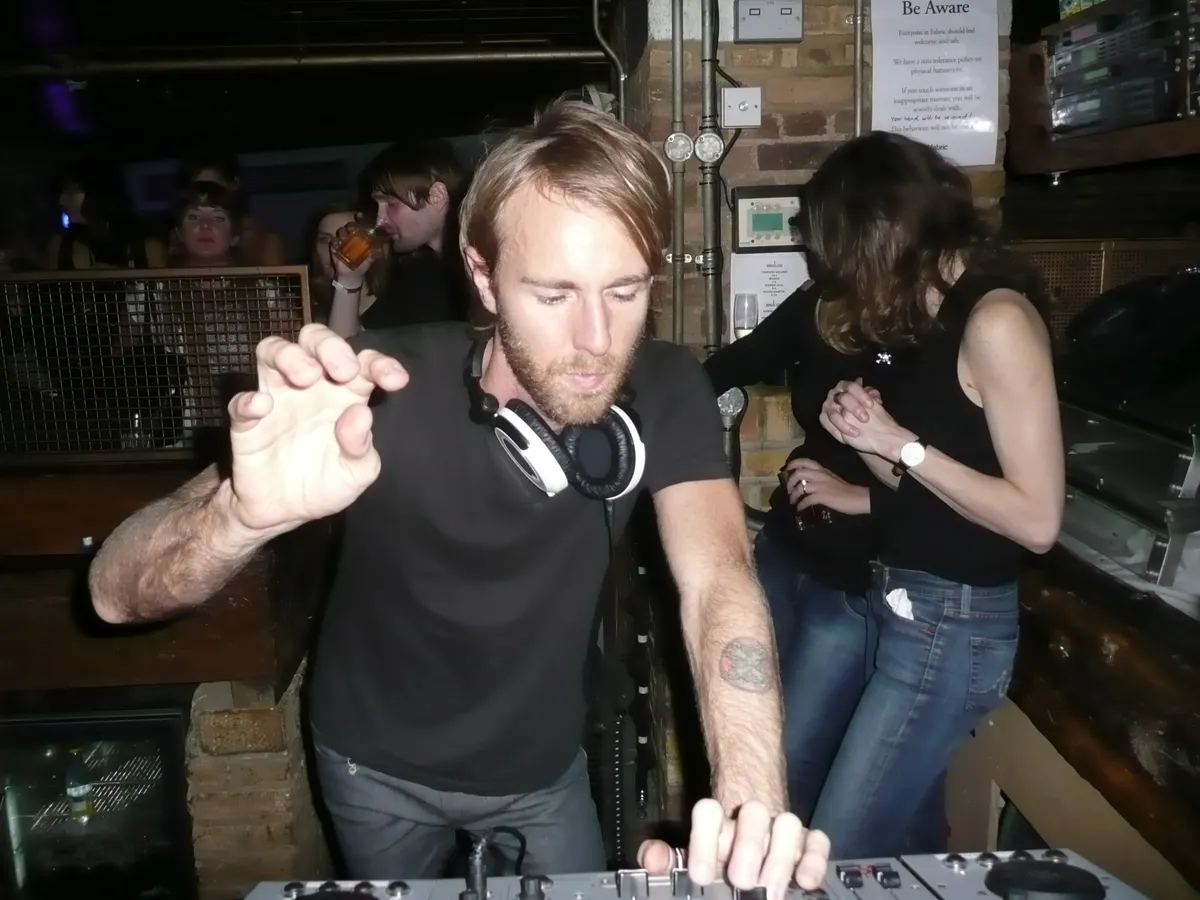
Jeff Mills made The Bells in 1994 and released it on Purpose Maker in the spring of 1996. XLR8R quotes him saying he has played it every time he has DJed since, and that it is something he can use to say hello to the people. That habit is why I would put it first if you only play one.
Berlin and dub techno.
Phylyps Trak by Basic Channel (1993)
Moritz von Oswald and Mark Ernestus released Phylyps Trak as Basic Channel in 1993, catalogue number BC02. Resident Advisor's review describes a fast tempo driving a 909 and a conga rhythm track, busy and relentless, and says the earliest Basic Channel records still sound like Detroit techno meeting Kingston by way of Berlin.
Subzero by Ben Klock (2009)
Ben Klock released Subzero on Ostgut Ton on 12 January 2009, on the Before One EP. The release belongs to his early Ostgut Ton catalogue.
I produced Berlin Race 1909 while living in Berlin. Listen below for my own music alongside the records discussed here.
Underground Resistance and Doppler.
Jaguar by The Aztec Mystic (1999)
DJ Rolando released Jaguar as The Aztec Mystic on Underground Resistance in 1999, on the Knights of the Jaguar single. Insomniac describes his sound as techno with Latin percussive styles, and quotes him saying his father was a musician in a Mexican band.
Doppler by Charlotte de Witte (2021)
Charlotte de Witte released Doppler on KNTXT on 30 April 2021, as the first track on the Formula EP alongside RPM and Formula. Her Bandcamp page describes shuffling drums with urgent, alarm-like synths. It is the newest record on this page.
Which techno track should you play first?
If you want good techno songs for a first listen, start with The Bells, then Strings of Life, then Energy Flash: a record Mills uses to say hello, one built on keys and strings, and one that is dark and heavy.
For Berlin, go to Phylyps Trak and Subzero. For the newest record here, go straight to Doppler.
Music by thecatrave.
No Genre No Problem was my first finished track. You can hear it below.
Techno tracks FAQ.
What are the best techno songs of all time?
No ranking is final. This page's nine are No UFO's, Strings of Life, Energy Flash, Spastik, The Bells, Phylyps Trak, Subzero, Jaguar and Doppler.
What is the best techno song ever?
There is no single answer. The Bells is a good first pick, because Jeff Mills says he has played it every time he has DJed since he made it.
What are good techno songs for a beginner?
Start with The Bells, Strings of Life and Energy Flash, then move to Phylyps Trak for the dub techno side.
What is a famous techno song?
Try Energy Flash for its heavy bass, Spastik for its drum-machine workout, or The Bells for the record Jeff Mills kept returning to in his sets.
What are the top 20 techno songs?
This page picks nine, not twenty, because each one shows a different way to make techno: from No UFO's by Model 500 in 1985 to Doppler by Charlotte de Witte in 2021.
Sources.
- Attack Magazine: Deconstructed, Model 500, No UFO's
- Roland Articles: Strings of Life, Derrick May
- Red Bull Music Academy Daily: Derrick May interview
- Insomniac: Rhythim Is Rhythim, Strings of Life
- Insomniac: DJ Rolando, Knights of the Jaguar
- Attack Magazine: Joey Beltram, Energy Flash
- Insomniac: From the Crate, Plastikman, Spastik
- XLR8R: Jeff Mills, The Bells
- Resident Advisor: RA Rewind, Basic Channel, Phylyps Trak
- Ben Klock on Bandcamp: Subzero
- Charlotte de Witte on Bandcamp: Formula EP
- Time Out New York: Best techno songs of all time
- Dummy: The 10 best techno tracks according to Benjamin Damage
- Music Industry How To: Techno songs
Continue reading
Read next.
 Crate digging~8 min read
Best Techno Mixes: 10 Essential DJ Sets
Ten complete techno recordings, from Juan Atkins, Robert Hood and Jeff Mills to Wata Igarashi and Fadi Mohem.
Read article → Crate digging~13 min read
Best DJ Sets of All Time: 30 You Can Hear
Thirty official recordings, from Carl Cox at Space to Fabio and Grooverider, with named sets, substitutes and editorial picks clearly marked.
Read article →Crate digging~7 min readBest SoundCloud DJ Mixes, Plus One Personal Pick
Eight editorial selections with a clear point of view, plus one clearly disclosed thecatrave mix worth your time.
Read article →Crate digging~12 min readWhere to Watch Live DJ Sets: Boiler Room, HÖR, NTS and More
Where to watch DJ sets online, how the main platforms differ, and a route through 72,458 archived recordings.
Read article →Want something to play while you read? Let the Selector pick a DJ set.